

What We Do
The programme uses debate as a practical tool for civic education and leadership development.
Through structured learning and competition, students are encouraged to research issues, examine evidence, articulate their views, listen to different perspectives and develop practical solutions.
500 + schools
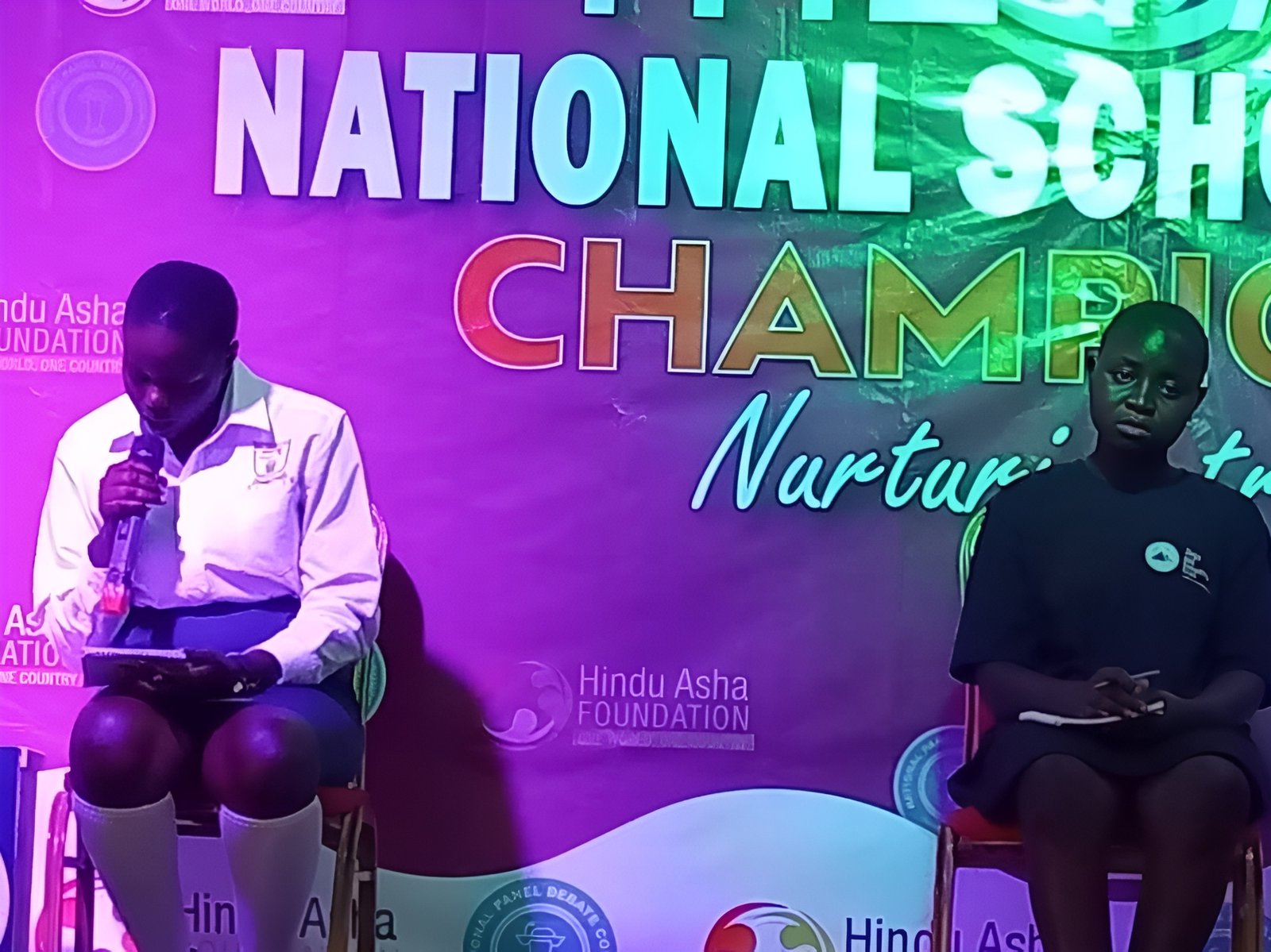
Both male and female students on the same stage.
10 Regions
The entire Busoga region in Eastern and Central Uganda
20+
students in each region
200+
Teacher Mentors & Debate Coaches
We work towards building a sustainable national network of schools and educators using civic education and debate to strengthen youth leadership and democratic participation.
Core activities
- School Outreach & Enrollment
Connecting schools across Uganda to the National Schools Parliament network. - Teacher & Student Training- Building skills in civic education, research, debate, public speaking and leadership.
- Regional Panel Debate Championships
Giving students a platform to debate issues affecting their communities and country. - National Schools Parliament- Bringing selected students together to deliberate on national issues in a parliamentary-style setting.
- Youth Policy Dialogue
Connecting young people with Members of Parliament, the Ministry of Education and Sports, civil society and other stakeholders.
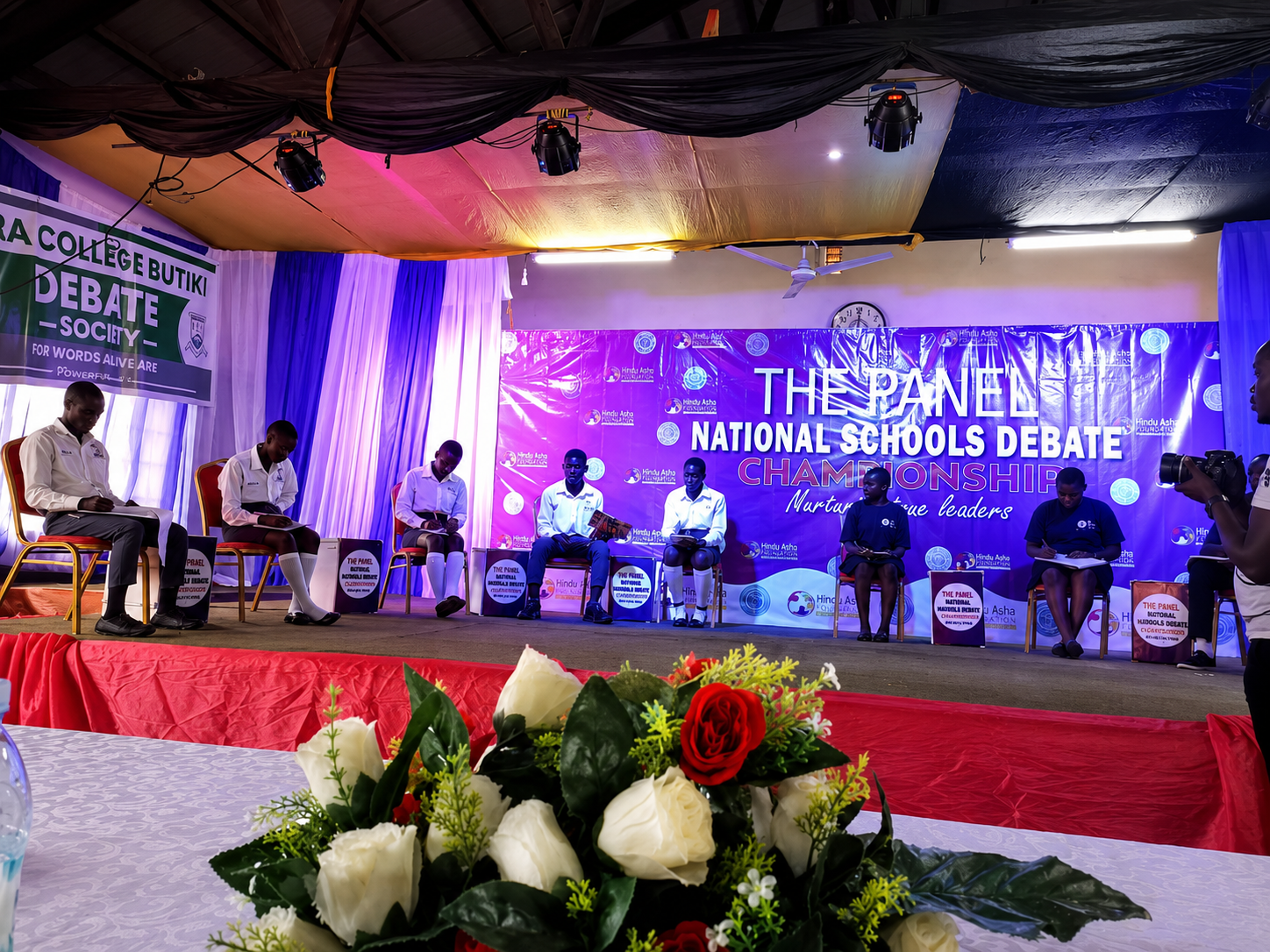
Panel Debate Championships:Where Young Voices Take the Floor
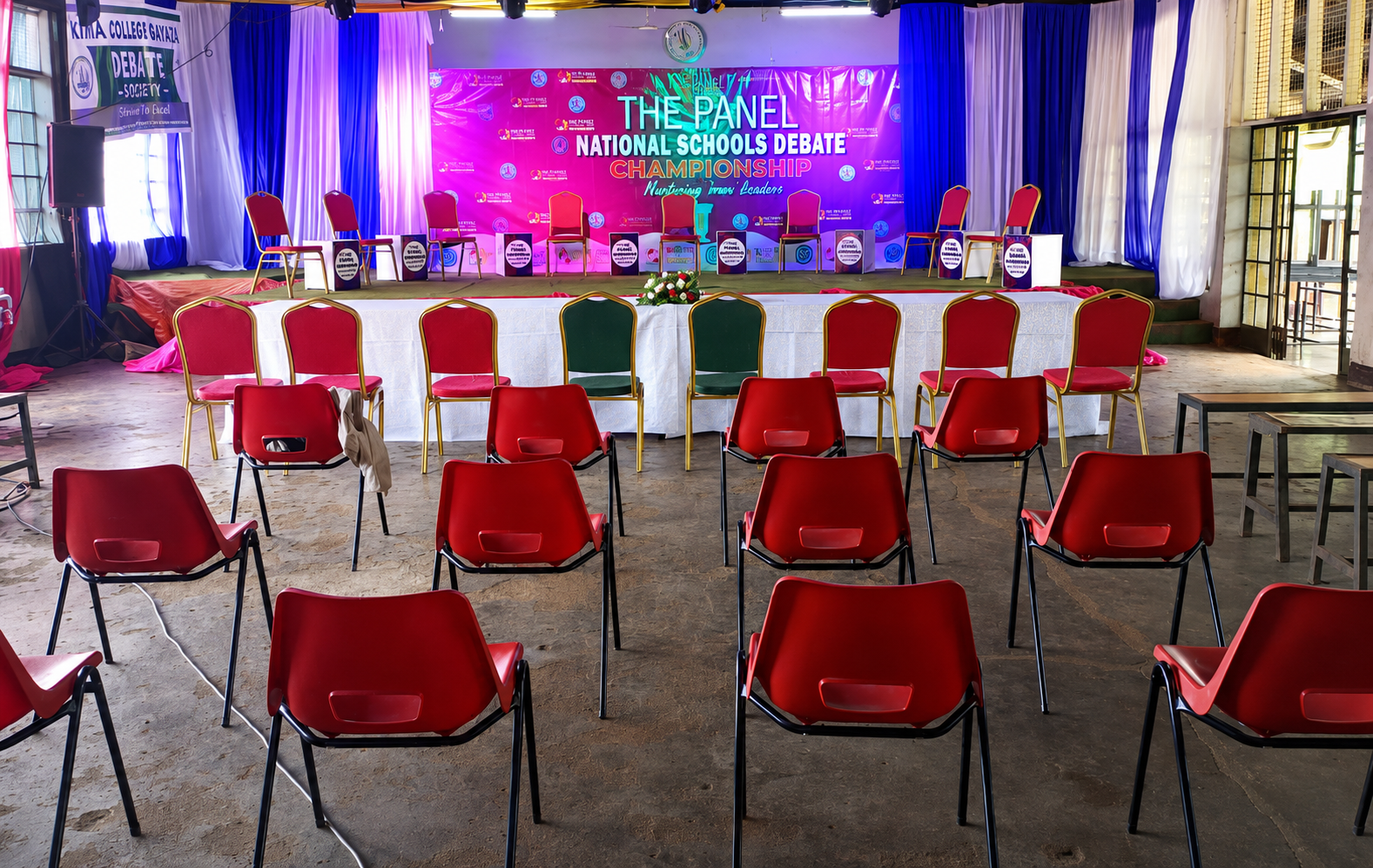
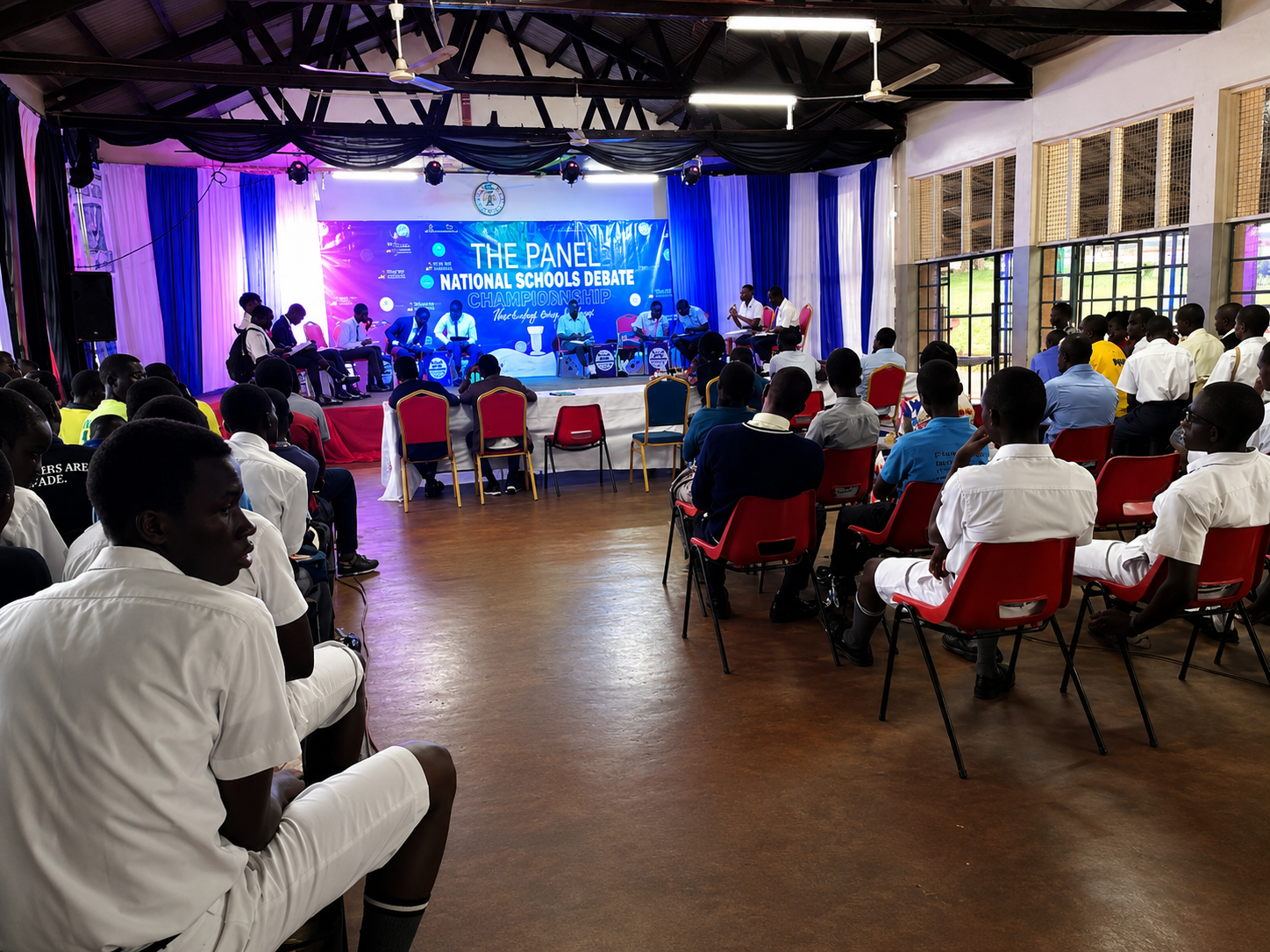
The Panel Debate Championships are the flagship activity of the National Schools Parliament.
Students compete in structured debates on issues of national and global importance, including:
Education • Democracy • Digital Rights • Gender Justice • Climate Action • Constitutionalism • Governance • Youth Participation
The championships move from regional competitions to a Grand National Finale, giving students an opportunity to develop and demonstrate their research, critical thinking, communication and leadership skills.
But this is about more than winning a debate.
Every debate is an opportunity to develop a thinker. Every voice is an opportunity to build a leader.
From Debate to Parliament
The programme takes students beyond competitive debating.
Outstanding participants progress toward the National Schools Parliament, where they deliberate on issues affecting young people and the nation.
This creates a practical pathway:
Learn → Debate → Deliberate → Lead
Students gain exposure to democratic participation, policy discussion, representation, accountability and constructive dialogue.
The Difference We Seek to Make
The National Schools Parliament seeks to develop young people who are:
INFORMED
Understanding democracy, their rights and responsibilities.
ARTICULATE
Confident in expressing ideas and engaging in meaningful dialogue.
CRITICAL THINKERS
Able to research, analyse evidence and develop solutions.
ETHICAL LEADERS
Grounded in integrity, responsibility and service.
ACTIVE CITIZENS
Prepared to participate meaningfully in their communities and country.
Building Partnerships for Young Leaders
The National Schools Parliament brings together schools, teachers, government institutions, Parliament, civil society organisations and other partners committed to strengthening youth leadership and civic participation.
We welcome partners who want to help expand the programme, support student participation, provide mentorship, strengthen teacher capacity or contribute to civic education and policy dialogue.
Support a Student. Strengthen a School. Build a Leader.

Breaking barriers to girls' education - Busoga sub- region
88.5%
88.5% of households attribute the high school dropout rates to poverty.
Poverty
In spite of being an extremely economically active sugarcane growing population, Busoga region has the highest poverty gap of 16% as compared to all other regions in Uganda. It is labeled with famine, malnutrition, predominant infant deaths from anemia-related illnesses, and very high mortality rates
The high level of poverty is still a challenge to girls’ education where 88.5% and 81.9% of the households attribute the high dropout rates and non enrolment to the high poverty levels in the community and households, that they can't afford to support their children to complete school although education is free at primary and secondary levels.
Child Labor
Busoga region is ranked with the highest number of children (6-13) in employment. 80% of households growing sugarcane in Jinja employ children.
This proliferation of sugar factories with extensive sugarcane growing continues to target children especially the vulnerable girl child to supply labour to the growing industry. In Jinja District alone, more than 60% of underage girls and boys are engaging in the sugarcane industry.
45% of the children aged 10 and 14 are engaged in sugarcane growing and attending school at the same time accounting for the corresponding high levels of school absenteeism and/or dropout rate.
Child Marriages
Engaging in early sex, early marriages as well as teenage pregnancies are the current pressing blockages to girls’ concentration, performance and completion of different levels of education. Women in Busoga region engage in sexual relations much earlier and has the third highest percentage (52%) of prevalence of child marriages) relative to other regions in Uganda.
Teenage pregnancies
Teenage pregnancies are high in Busoga Region (30%) as compared to other regions. Girls in Busoga region are perceived to be ready for marriage when they develop breasts and have dropped out of school because of pressure from parents to get married for they are seen as a source of income in form of bride wealth and so parents aim at marrying away their children to become rich.
Gender Disparities
Much as the Gender Parity Index (GPI) is one (1), gender disparities still persist in performance, classroom participation, school facilities, and general education attainment in Busoga region.
Institutional structures such as family and school structures and processes that put low value to educating girls severely constrain girls’ attendance, participation and full realization of their educational capabilities, reflected in the unequal gender division of labor for girls that burdens them with most of the domestic chores in homes and at school thus taking much of their time and attention.